
Custom roll labels · Finishes
Custom label finishes that make them pick it up.
Compare nine printing and finishing options on PackOS sample artwork you can light, tilt and inspect. Prepare labels for bottles, jars and retail products, then upload your artwork and review the quoted specification. Specialty options may need a team quote.
- Printed digitally on HP Indigo
- Shipped on rolls
- PDF or AI artwork
- 10,000-unit minimum
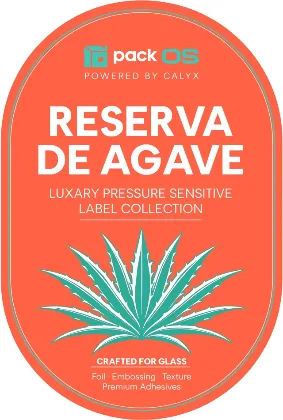
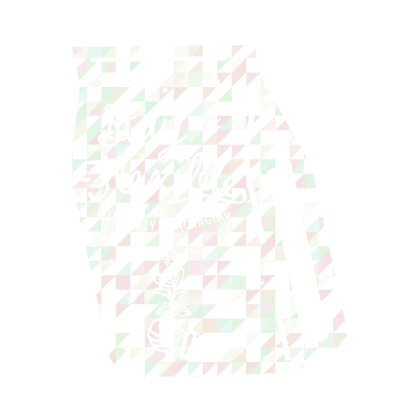
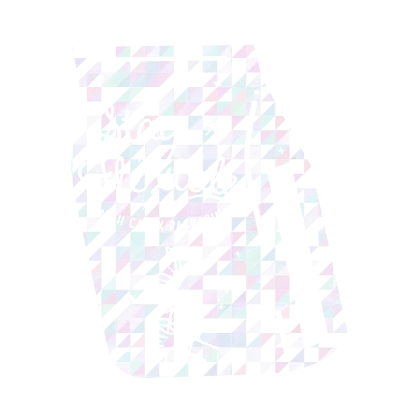
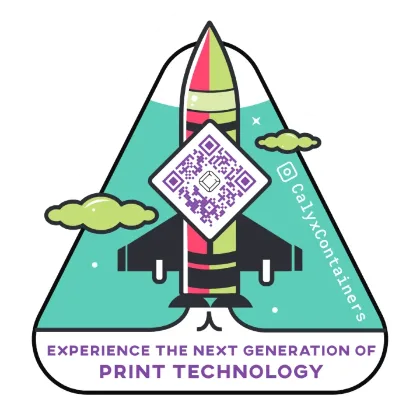
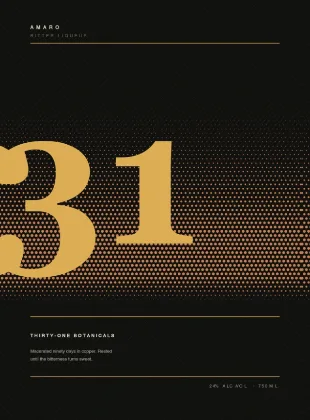
Ten PackOS labels running past an inspection light, each showing its own finish as it passes. Click one to open it in quick quote, or to jump to its finish.Hover to stop the roll
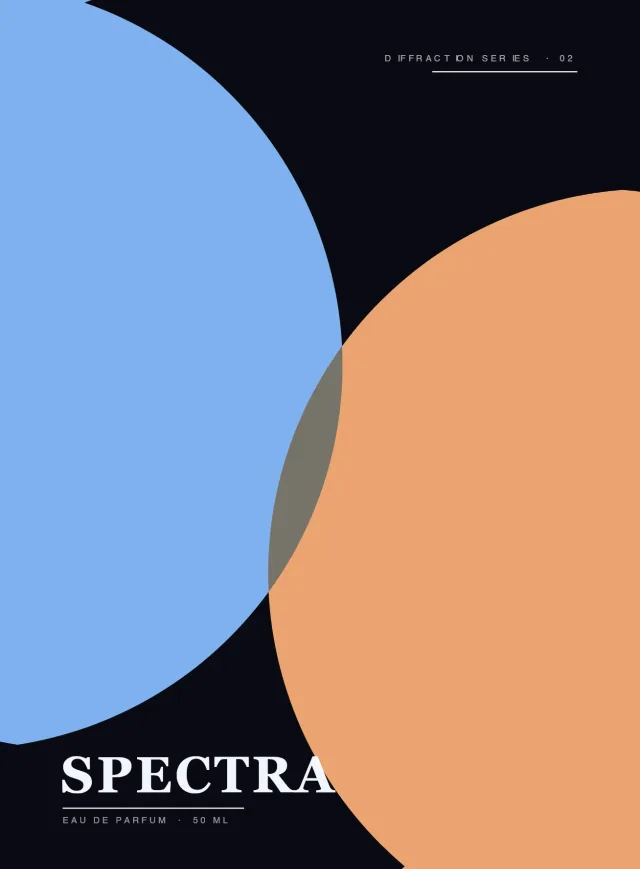
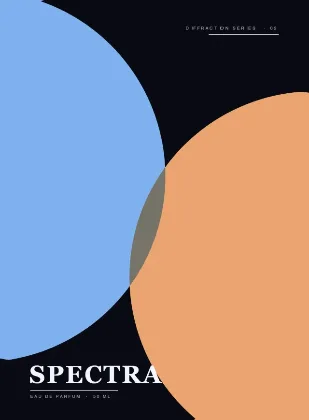
Sweep the light across SPECTRA. The flash only happens on the spot-UV plate, which covers 65% of the label. The black field stays dead matte.
01 · Spot varnish
Make one thing shine.
A spot varnish is a clear gloss printed only where you choose. Head-on you barely see it. Tilt the bottle and those shapes flash against everything around them. It's one of the simplest ways to make a logo, a seal or SPECTRA's two discs feel premium.
- Label
- SPECTRA, 103 × 147 mm
- Substrate
- Silver metallized film, white withheld where the metal shows
- Finish plate
- Spot UV, 65.2% coverage
Best for: logos, product names, seals and patterns on a matte or soft-touch field.
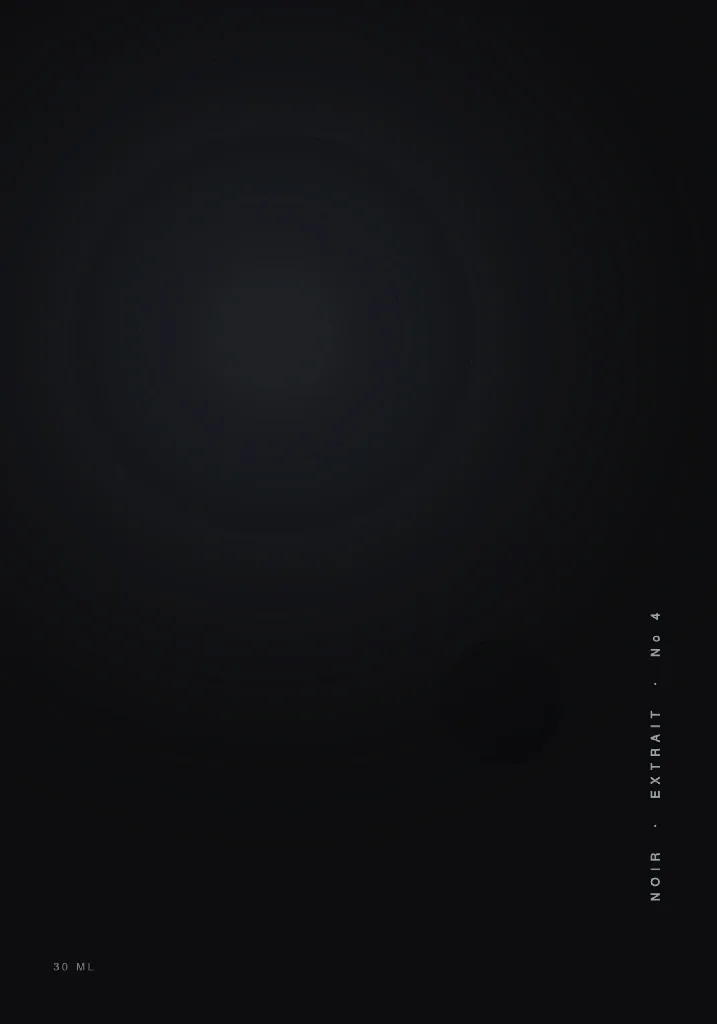
The light is low, like a lamp across a table. Move it and the label's own tactile plate casts its edges.
02 · Tactile varnish
Give the shelf something to touch.
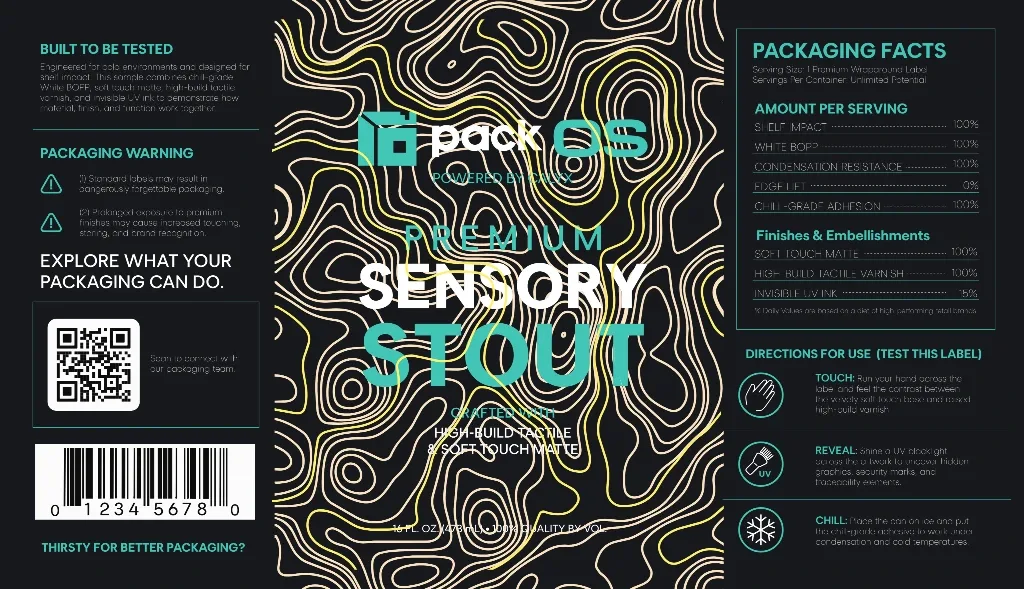
Tactile varnish is a clear coat printed thick enough to stand off the label, so a thumb finds it before the eye does. On NOIR it raises two discs out of a soft-touch field with no ink at all. On SENSORY STOUT it traces a contour map across the front panel.
- NOIR
- 103 × 147 mm · matte film · soft-touch 90.8% · tactile 17.1%
- SENSORY STOUT
- 209.6 × 120.7 mm wrap · tactile varnish on the contour lines
- Tooling
- One finishing plate, a one-time charge shown on the quote
Best for: spirits, beauty and anything sold on a shelf, where the hand reaches before the eye reads.
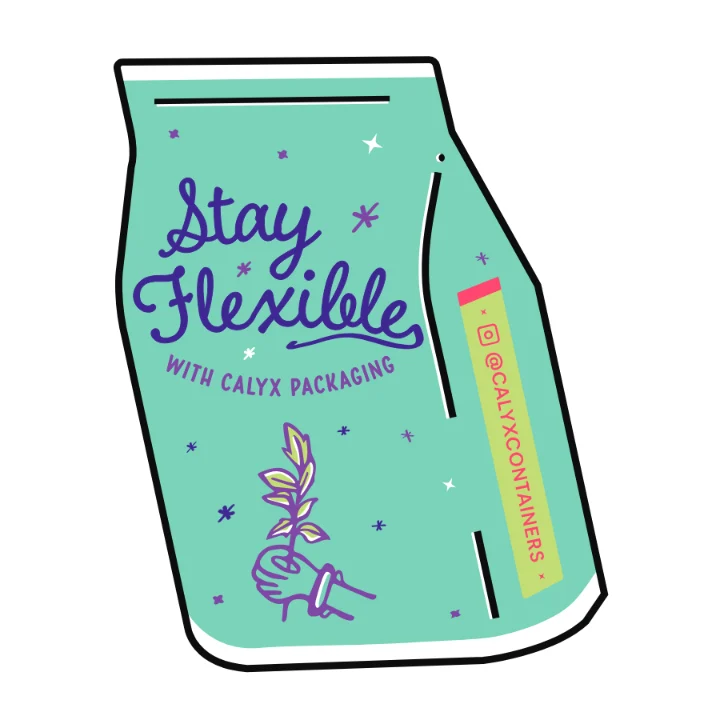
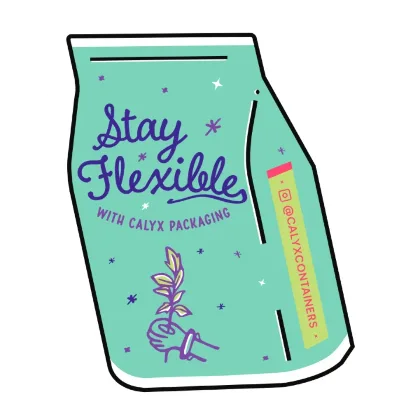
Move the light. Facet by facet, STAY FLEXIBLE's cast-and-cure plate glitters and its raised edge catches the light. The lettering and the plant stay flat, set down into it.
03 · Cast and cure
Texture that glitters, and you can feel it.
Cast and cure prints a clear UV coat where you want the effect, presses a patterned film into it and cures it on press. The film peels away and its texture stays behind in the coat, a field of tiny facets that each catch the light at their own angle. Appearance and tactile relief depend on the pattern and coating construction. Approve the selected effect on a physical sample.
On STAY FLEXIBLE the plate floods the whole pouch shape and leaves the lettering and the plant inked and flat, so the brand reads crisp on a surface that sparkles as the pack moves.
- Label
- STAY FLEXIBLE · from the Calyx sample kit
- Plates
- Front art · Opaque White · cast and cure · back art
- Pricing
- Quoted by hand during launch
Best for: a premium texture over a big area without hiding the print, from food and beverage to beauty.
Cast and cure isn’t on the instant price list during launch. Upload your artwork: quick quote prices the rest of the label without it, and you send the file to our team from the quote to price it with the finish.
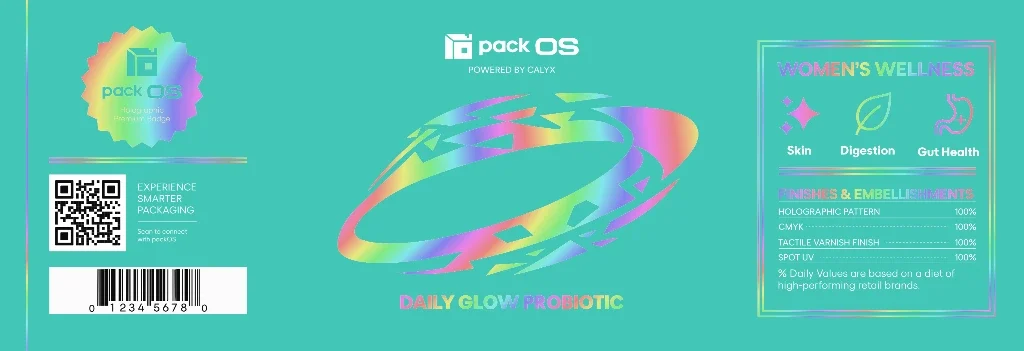
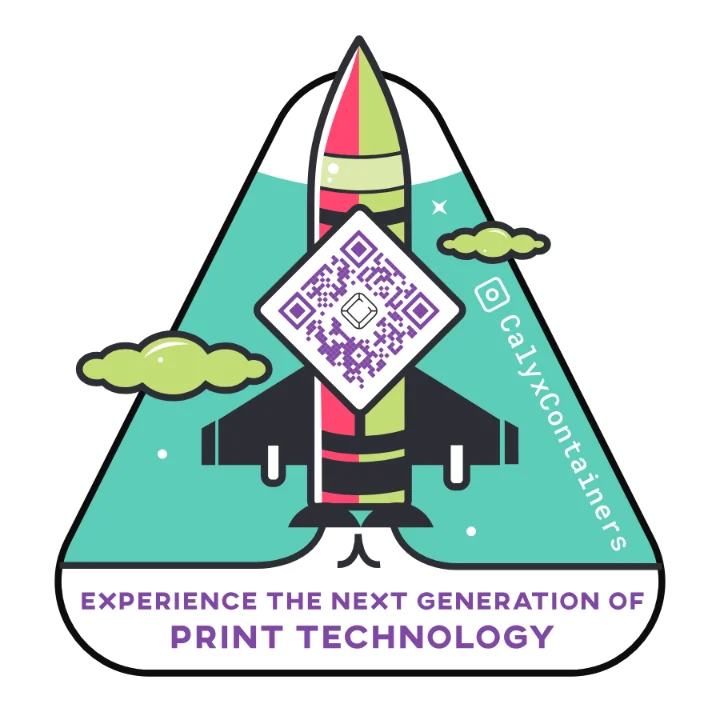
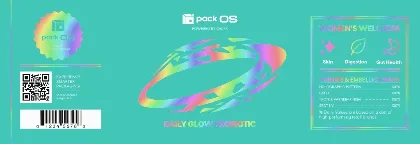
Tilt the label and the rainbow runs. On DAILY GLOW the film shows through wherever the ink leaves it bare. On CALYXFX QR the foil is spotted only on the QR frame and the sparkles.
04 · Holographic
A rainbow that moves with the shopper.
Holographic film breaks light into a spectrum, so the color shifts every time the pack turns. Use it two ways. Print on holographic film and let it show through wherever you leave the ink bare, as on DAILY GLOW. Or spot it only where you want it, as holographic spot foil does around the QR code on CALYXFX QR.
- DAILY GLOW
- 212.9 × 73.2 mm wrap · holographic film · tactile varnish
- CALYXFX QR
- From the Calyx sample kit · holographic spot foil on the QR frame and sparkles
Best for: wellness, beauty, drops and limited editions, and anything that needs to be seen from across the aisle.
Holographic film prices instantly. Holographic spot foil isn’t on the instant price list during launch: quick quote prices the label without it, and you send the file to our team from the quote to price it with the foil.
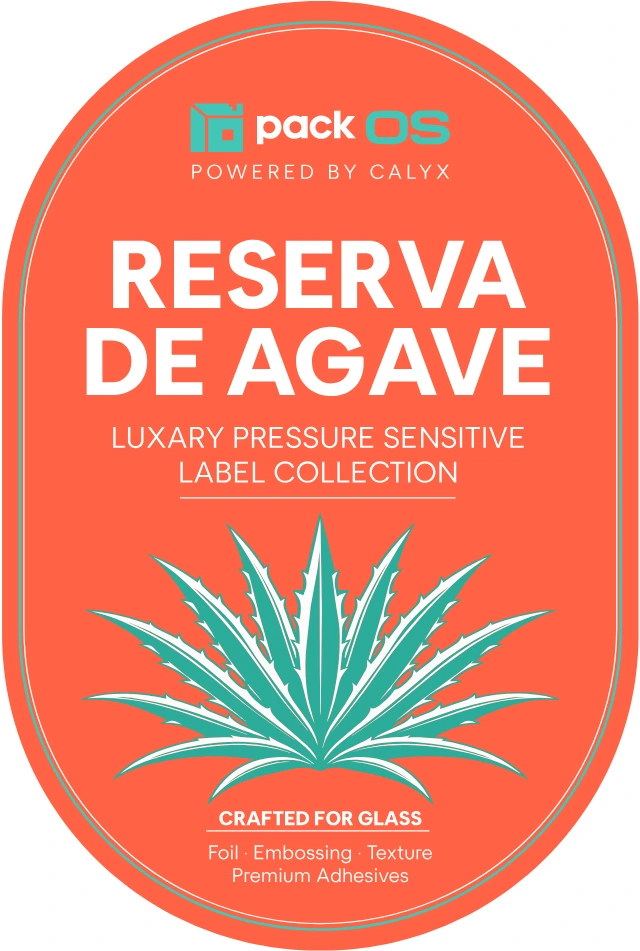
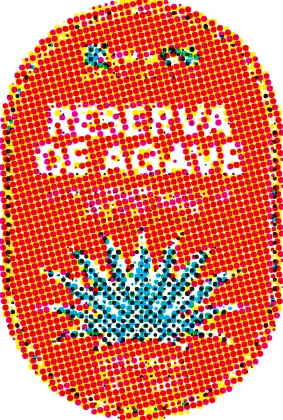
Hover the label: the loupe shows the dots it's really made of. Or run it through the press, one ink at a time.
05 · CMYK process
Four process inks. One full-color label.
Cyan, magenta, yellow and black, laid down as fine dots at four different angles, mix on the label into photographs, gradients and most brand colors. Hover RESERVA DE AGAVE and the loupe shows that rosette of dots under your cursor.
Review named spot colors and the proposed print method in your quote. A screen simulation cannot approve a brand-color match; agree the target, proof and acceptance method with the production team.
- Label
- RESERVA DE AGAVE · pressure-sensitive, for glass
- Inks
- C · M · Y · K
Best for: photography, illustration, gradients and full-color designs on almost any product.
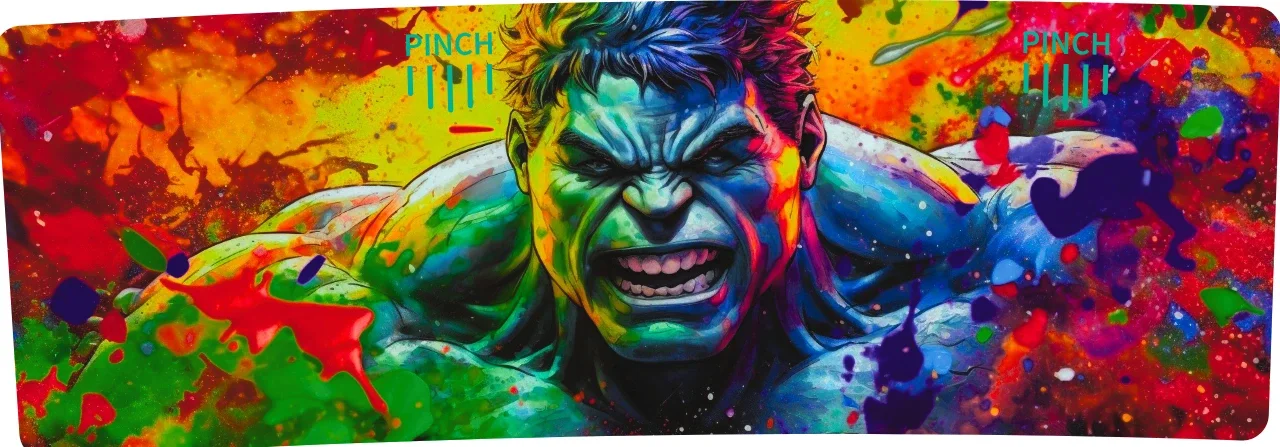
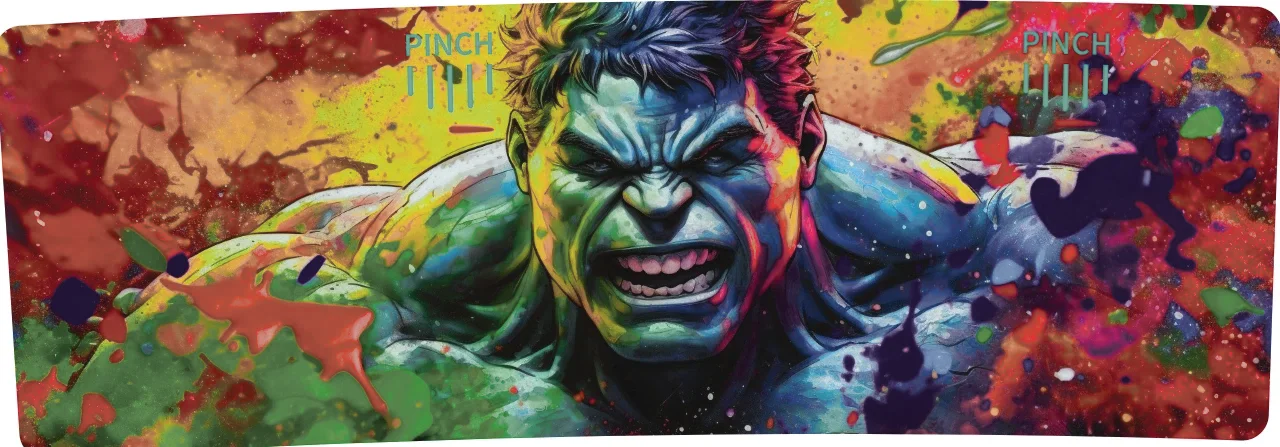
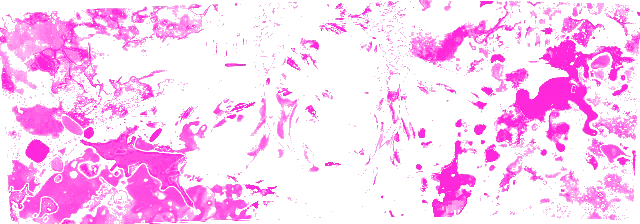
Drag the seam, and hover for the probe: it shows the color each ink set can print at that spot. Soft proof from measured press profiles; the CMYK loss is drawn at 2× because a screen can't show the extra color.
06 · CMYK + OGV
For the colors four inks can't reach.
Some colors sit outside what four inks can mix: a vivid green, a clean violet, a hot red-orange. Seven-color printing adds orange, green and violet to CMYK, only where a color needs them, so a saturated design prints as itself instead of a duller near-miss.
CALYX ECG is our extended-gamut demo label, designed to show what the extra inks buy: 42% of its artwork is outside four-color process. With orange, green and violet added, only 13% is. The quote runs the same check on every color in your file before it adds an ink.
The colors CMYK loses most on this label. Left: CMYK. Right: CMYK + OGV.
- Label
- CALYX ECG base label · built in CMYK + OGV
- Inks
- C · M · Y · K, plus O · G · V where a color needs it
- Proof
- APTEC measured label profiles, the nearest measured CMYK / CMYKOGV pair to our press
Best for: brands built on one saturated color, and illustration that looks flat in CMYK proofs.
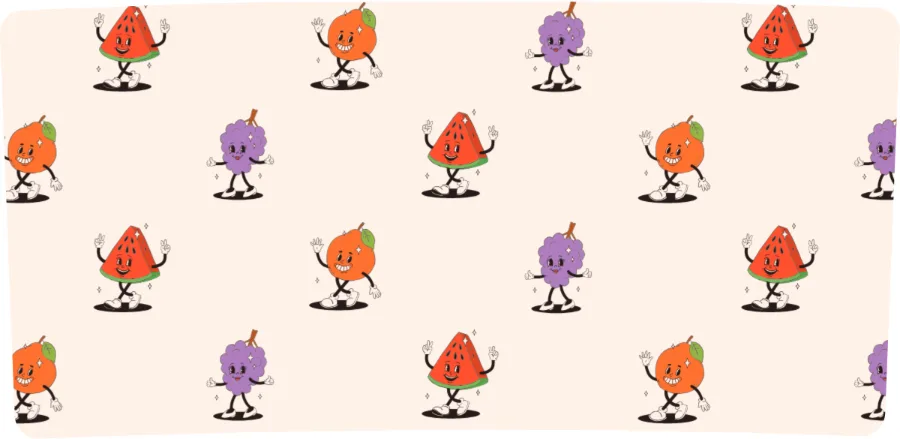 4 · Back art, read through the jar
 3 · Black core, blocks the light
 2 · Opaque white, makes color pop
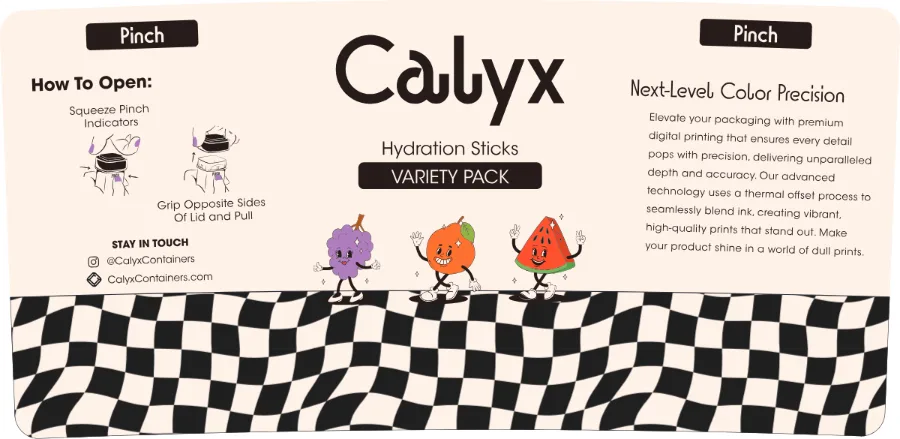 1 · Front art, seen on the shelf
The four print layers of the real file. Drag the stack to turn it in your hands.
07 · Sandwich print
Two designs. One clear label.
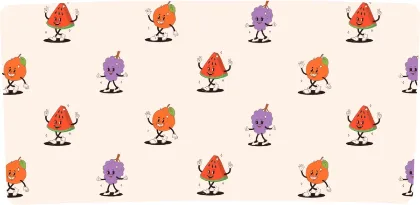
A sandwich print stacks two designs back to back on clear film, with a light-blocking core between them. Shoppers see the front design on the shelf. Look through a clear jar from the other side and a second design is waiting, printed on the back of the same label.
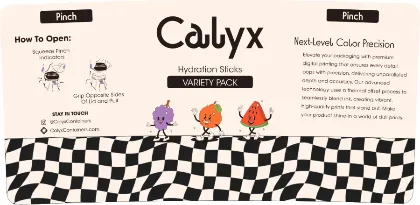
CALYX HYDRATION STICKS runs exactly that: a brand panel out front and a pattern you see through the jar, from one label and one application.
- Label
- CALYX HYDRATION STICKS · clear film, jar wrap
- Layers
- Front art · Opaque White · Black core · Back art
Best for: clear jars and bottles, where the inside of the pack is a second billboard.
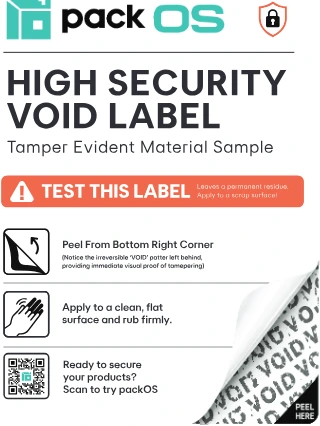
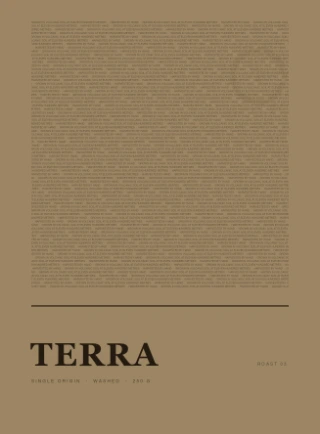
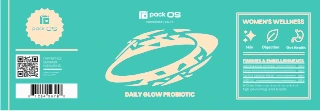
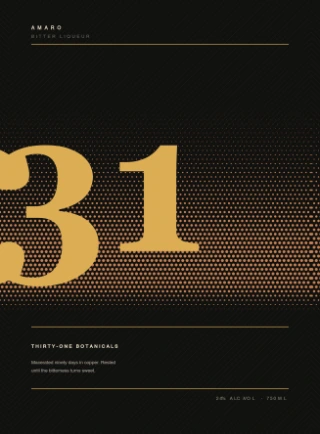
Illustration: four PackOS designs, each stamped with its own number. Type a code and every label reprints with it.
08 · Digital printing
Every label can be different.
Every PackOS label prints on an HP Indigo digital press. Color goes straight from your file to the press with no printing plates, so a short test run, a new flavor or a seasonal version doesn’t carry a plate bill for its colors.
Because each impression is imaged fresh, labels can carry variable data: serial numbers, lot codes, QR payloads, even a different design per label.
Digital · HP Indigo
- No plates for the color
- Short runs and many SKUs
- Variable data on every label
Conventional flexo
- A plate for every color
- Pays off on very long runs
- One repeat, same on every label
Good to know: a new die shape and finishing plates such as spot or tactile varnish are one-time tooling. The quote lists them separately.
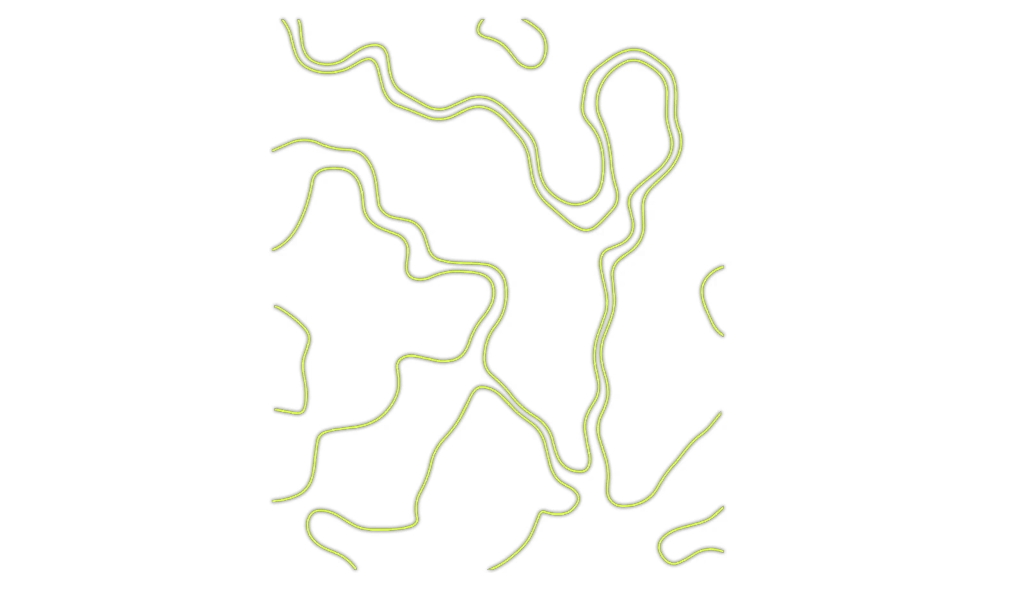
Your pointer is a UV torch. Sweep it over SENSORY STOUT and its own invisible-ink plate lights up underneath.
09 · Invisible ink
Hidden in plain sight.
Invisible ink is a UV-reactive ink that disappears in normal light and glows under a black light. Use it for a concealed visual mark, a warehouse inspection step or a reveal effect. A fluorescent mark alone does not authenticate a product or make it counterfeit-proof; agree the inspection method and security requirements separately.
On SENSORY STOUT it winds through the contour map. Its appearance depends on the viewing light and the approved ink construction.
- Label
- SENSORY STOUT · 209.6 × 120.7 mm wrap
- Plates
- CMYK · tactile varnish · invisible ink
Best for: anti-counterfeit marks, authentication, regulated products and reveal moments.
Find my finish
What should your label do?
Pick everything you want. We'll show you the PackOS label that already does the most of it, so you can see it priced live. Then upload your own artwork to prepare a separate quote for your design, quantities and materials.
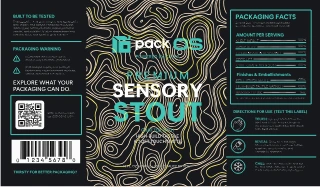
SENSORY STOUT
tactile · invisible ink · CMYK · digital
Pick what your label has to do, and we will show you the closest one we have made.
How quick quote works
From artwork to a label price, without the email chain.
Upload your artwork
Drop in a PDF or Illustrator file. Varnish, white and special-ink layers come along with it.
Check what we read
Size, shape, colors and finishes are read from the file and shown on your label, so you can confirm or change any of them.
Get the price, then order
Choose quantities, see the price with any one-time tooling listed separately, and order when it's right.
Not ready to quote?
Get your label spec right first.
The Label Spec Cheat Sheet
One printable page with every decision a label quote needs: size, shape, material, finish, roll direction and core. Fill it in before you talk to any printer.
Download the free PDFRunning many SKUs or locations?
If you're moving a whole label program, with dozens of SKUs, several brands or co-packers, we'll walk you through how PackOS handles specs, proofs and reorders.
Request an enterprise walkthroughFor enterprise label buyers
Choose a finish you can specify, approve and reorder.
A compelling sample is the beginning of a purchasing decision. Define the required appearance, the container and the application conditions before comparing suppliers. Keep the approved finish tied to each artwork revision and SKU.
Match the finish to the job
Spot varnish creates selected gloss contrast. Tactile varnish adds raised texture. Holographic stock affects the substrate; spot foil places an effect in selected areas. Specify the location, coverage and reference sample, not just “premium finish.”
Check the finish and laminate guide alongside the material qualification checklist. Scuff, moisture, product contact and application performance require a trial of the complete construction.
Separate the artwork from the approval
Identify varnish, white ink, foil and other special separations in the supplied file. Review the detected values and resolve exceptions with the production team. Use an agreed physical proof or sample to approve texture, gloss, opacity and color; a browser rendering cannot approve those properties.
Use the label artwork checklist for finished dimensions, dieline, bleed and safe areas. Confirm fit on the actual bottle, jar or other container.
Compare the complete quote
Record quantity by SKU, material and adhesive, finish coverage, tooling, proofing, freight, delivery assumptions and approval conditions. Ask which costs repeat on a reorder and which changes require new tooling or another approval.
packOS has a 10,000-unit minimum. Confirm the proposed SKU split and run arrangement in the quote. Cast and cure, holographic spot foil and VOID security film require team pricing during launch; a base-label estimate does not include an unpriced specialty effect.
Prepare the roll and release specification
Provide unwind direction, core size, maximum roll diameter, application method and any co-packer requirements. Record the approved sample, artwork version, release quantity and requested delivery window for each SKU.
The enterprise label buyer worksheets keep SKU schedules and quote comparisons together. Review unwind direction and core and roll limits before approving production.
Questions
Label finishes, answered.
Do the finishes cost extra?
Finishing and tooling depend on the selected production process. Check the quote for setup, plates, dies and recurring unit costs; do not assume every process uses the same tooling. During launch, cast and cure, holographic spot foil and VOID security film aren’t on the instant price list: upload the artwork, quick quote prices the rest of the label, and you send it to our team to price the finish.
How do I tell you where the varnish or invisible ink goes?
Put it on its own layer or spot color in your file, named for what it is, for example "Spot UV", "Tactile Varnish" or "Invisible Ink". The quote reads those separations from the upload and shows each finish on your label, so you can confirm or change it before you order.
What is cast and cure?
A texture made on press. A clear UV coat is printed where you want the effect, a patterned film is pressed into it and cured, and the film's texture stays behind in the coat. The casting film is removed after curing. The visible effect and tactile relief depend on the selected pattern and coating. During launch it isn’t priced instantly: upload your artwork and send it to our team from the quote to price it with the finish.
What is the difference between holographic film and holographic spot foil?
Holographic film is the whole label stock: the rainbow shows wherever your artwork leaves the film bare, as on DAILY GLOW. Holographic spot foil puts the effect only where your file has a foil plate, as around the QR code on CALYXFX QR. Holographic film prices instantly; spot foil is priced by our team during launch.
Do I need CMYK + OGV, or is CMYK enough?
Start with the brand-color target and selected print condition. Compare CMYK, extended gamut and any required spot inks using an agreed proof. This page’s simulated comparison illustrates differences; it does not establish the color accuracy of your production order.
What is a sandwich print, and what can I put it on?
Two designs printed back to back on clear film, with a light-blocking layer between them. It's made for clear containers: the front design faces the shelf, and the back design is seen through the jar. Open the Hydration Sticks sample to see one priced.
Are the labels on this page real?
Yes. Every label here is a PackOS sample file the quote app imports and renders, and ten of them price instantly. STAY FLEXIBLE, CALYXFX QR and HIGH SECURITY VOID are quoted by our team during launch. The finish demos use each label's own varnish, white, core and invisible-ink plates. Two demos are approximations, and say so: the CMYK split is a simple screen separation, and the OGV comparison is a soft proof from measured press profiles with the CMYK loss drawn at 2× so a screen can show it.
What is the minimum order for custom labels?
packOS has a 10,000-unit minimum. Provide quantities by artwork SKU and confirm the split, run arrangement, materials and finishes in the quote.
Can I use the on-screen finish as my production approval?
No. The demos help you compare effects, but a display cannot qualify texture, gloss, adhesive performance or a brand-color match. Agree the proof or physical sample, acceptance conditions and approval owner before production.
How do the labels ship?
On rolls, ready for an applicator or hand application. Roll direction and core size are part of the quote. The label spec sheet explains both.
Your label, priced
See what your label costs before you talk to anyone.
Upload your artwork, review the detected size, colors and finishes, and confirm what the quote includes. Specialty finishes that need team review must be priced before the order is approved.